


Acne Reduces Facial Beauty: What to Do and What to Avoid

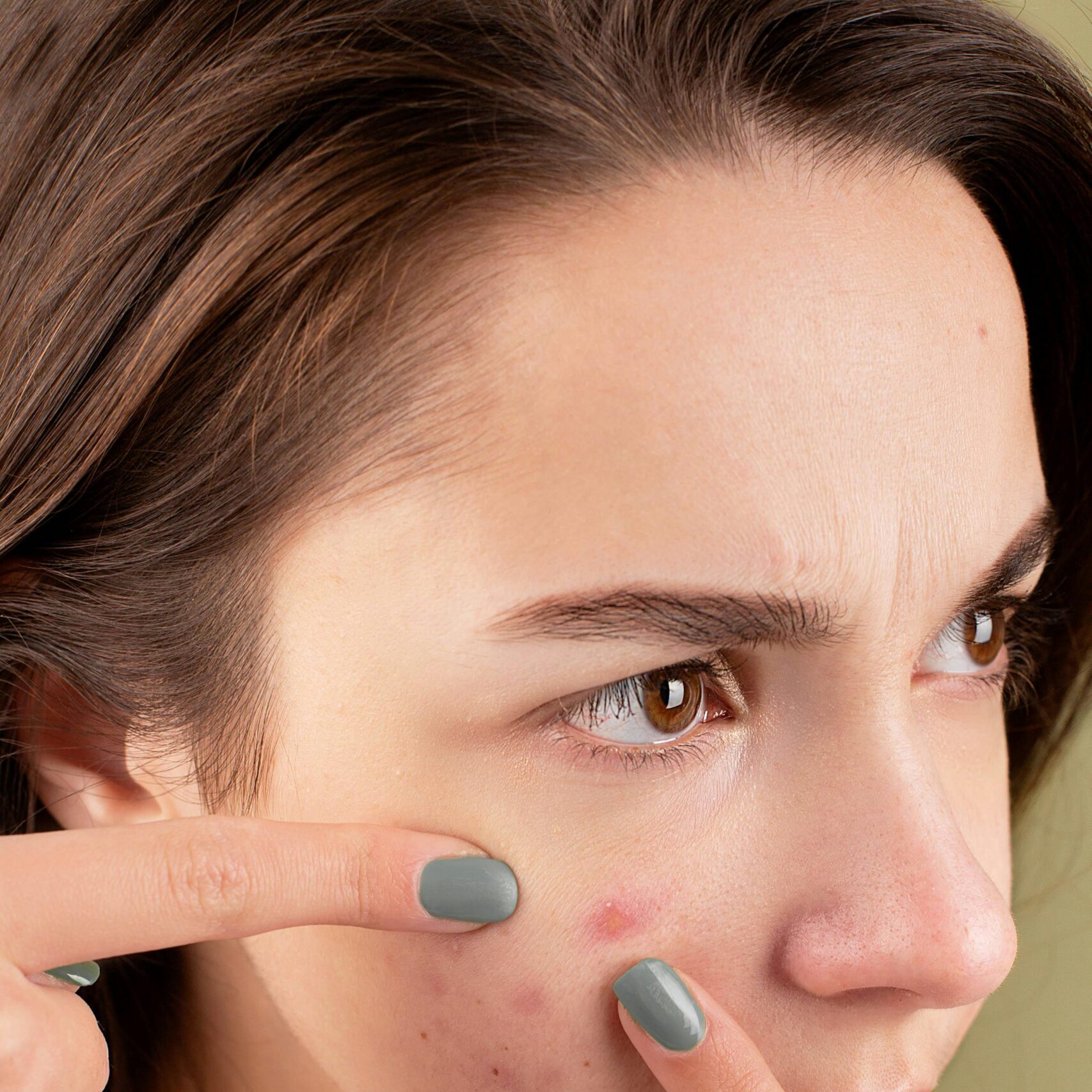
Acne Reduces Facial Beauty: What to Do and What to Avoid
Acne significantly diminishes the natural beauty of the face, and many people feel frustrated because of it. To understand why acne occurs, and what to do or avoid when dealing with it, we spoke with Dr. Asma Tasnim Khan, Associate Professor and Head of the Department of Dermatology & Venereology at Northern International Medical College & Hospital.
What is Acne and Why Does It Occur?
According to Dr. Asma Tasnim, acne is a multifactorial disease. That means it’s not caused by just one factor—it’s influenced by genetics, hormones, environmental factors, and lifestyle.
Acne is a condition of the sebaceous glands in the skin, which produce oil (sebum) to keep the skin hydrated. If the ducts of these glands become blocked, the trapped sebum encourages bacterial growth and inflammation, leading to acne.
Hormonal and Other Causes:
Hormonal changes (estrogen, progesterone, testosterone)
Polycystic Ovary Syndrome (PCOS)
Puberty-related hormonal shifts
Genetic predisposition
Poor-quality or expired cosmetics and makeup
Dirt, dead skin cell buildup, and clogged pores
Steroid creams or whitening products
Excess scalp oil transferring to the face
Bacterial and fungal infections
Types of Acne
Non-inflammatory acne:
Whiteheads: Small, closed bumps.
Blackheads: Black due to clogged sebum and dirt.
Inflammatory acne:
Pustules: Red, pus-filled, painful.
Severe acne: Large, hard, painful lumps that leave scars and take a long time to heal.
Each type presents differently and may require different treatment.
What to Do If You Have Acne
Keep your face clean — Wash thoroughly after returning from outside, and remove makeup properly.
Moisturize — Use a moisturizer suited to your skin type after washing your face.
Care for your scalp — Oily or dandruff-prone scalp can worsen facial acne. Use shampoo regularly.
Hydrate and eat well — Drink enough water and eat vitamin-rich, fiber-filled foods.
Limit sugar and dairy — These can aggravate acne.
Avoid constipation — It can trigger acne. Probiotics may help, with a doctor’s advice.
Seek medical help — If acne is severe or causing scarring, consult a dermatologist. Treatment will depend on acne type.
What Not to Do
Don’t touch your acne — Avoid picking or scratching.
Don’t squeeze pimples — This can increase scarring and worsen the condition.
Avoid obsessing in the mirror — Constant checking can lead to emotional stress and worsen frustration.